Exploring diverse cultural views on gambling's role in society
The Historical Context of Gambling
Gambling has been an integral part of human civilization for centuries, with roots tracing back to ancient cultures. The Egyptians, Romans, and Greeks all engaged in various forms of betting, often intertwining it with their social and religious practices. For instance, dice games were not just recreational; they were believed to connect players to the divine. This historical backdrop sheds light on how deeply embedded gambling is in societal norms across cultures. You can explore more about this fascinating subject by visiting https://precisionlambing.com/.

As societies evolved, so did the perception of gambling. In medieval Europe, for example, gambling was often associated with the nobility and their lavish lifestyles, which set a precedent for modern high-stakes gambling. This development contributed to the establishment of gaming houses and casinos in the later centuries, reflecting a shift from informal betting to more organized, regulated environments. Each culture adapted gambling practices, leading to diverse interpretations of its social acceptability.
Today, gambling continues to reflect societal values, often mirroring the economic conditions, legal frameworks, and cultural beliefs of a region. In some societies, it is celebrated as a form of entertainment and social engagement, while in others, it is frowned upon or even outlawed. This duality indicates that the role of gambling is not merely about chance but also about the community’s relationship with risk and reward.
Gambling in Eastern Cultures
In Eastern cultures, gambling is often viewed through a lens of spirituality and fortune. For example, in China, gambling is deeply rooted in tradition and is associated with luck and prosperity. The Chinese New Year festivities prominently feature games of chance, where families come together to gamble as a way to bring good fortune for the year ahead. This practice underscores a communal approach to gambling that emphasizes family bonds and shared experiences.
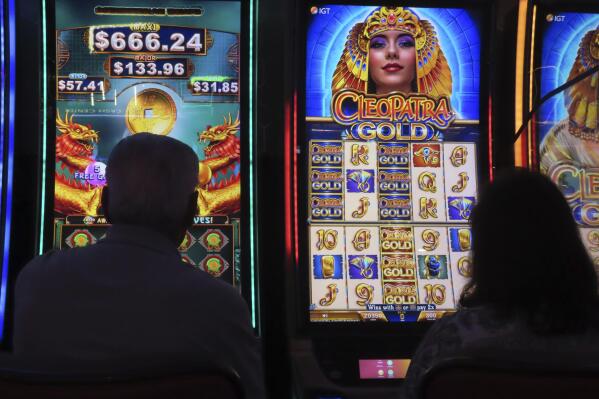
Contrastingly, in places like Japan, gambling is tightly regulated, yet certain forms, such as pachinko, remain immensely popular. Pachinko parlors serve as social hubs where people engage in gaming, reflecting a unique blend of entertainment and competition. The acceptance of gambling in Japan showcases a cultural balance between regulation and enjoyment, where the social context significantly shapes how gambling is perceived and practiced.
This cultural dichotomy illustrates that in Eastern societies, gambling is often not just an individual activity but a communal experience intertwined with tradition and values. The significance placed on luck, fortune, and social gatherings contributes to an understanding of gambling that transcends mere financial gain, turning it into a cultural phenomenon.
The Western Perspective on Gambling
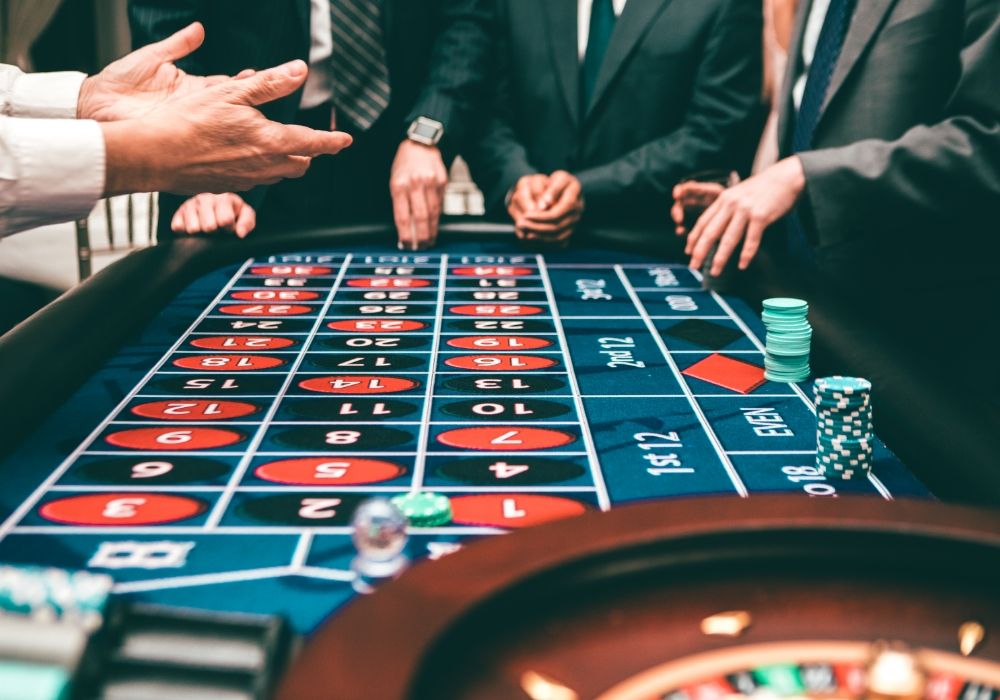
In Western cultures, gambling is often associated with both entertainment and moral scrutiny. The United States, in particular, has a complex relationship with gambling, ranging from the glitzy casinos of Las Vegas to the more conservative views found in various states. This spectrum reflects the broader debate about individual freedom versus societal responsibility, with some states embracing gambling as a potential economic boon, while others impose strict regulations or outright bans.
Moreover, the rise of online gambling has significantly reshaped the Western gambling landscape. With the advent of technology, people can now engage in betting from the comfort of their homes, broadening access and changing social norms around gambling. This shift has sparked discussions about responsible gambling, addiction, and the need for regulatory frameworks to protect individuals, illustrating that the dialogue surrounding gambling in the West is continually evolving.
In this context, gambling is often viewed as a double-edged sword. While it offers opportunities for entertainment and economic growth, the potential negative impacts, such as addiction and social stigma, cannot be overlooked. This ongoing conversation highlights the complexity of gambling’s role in Western society, where it is both celebrated and critiqued.
Gambling and Indigenous Cultures
Indigenous cultures around the world have unique views on gambling, often tied to their spiritual beliefs and community practices. Many Indigenous tribes have traditional games that are played during ceremonies or social gatherings, emphasizing the communal aspects of gambling. These games often serve as more than mere entertainment; they are a way to strengthen community bonds and maintain cultural heritage.
However, the commercialization of gambling has also impacted Indigenous communities, raising questions about cultural appropriation and economic exploitation. Casinos operated by Native American tribes in the United States have become vital sources of income, providing resources for education, healthcare, and infrastructure. This development signifies a shift in how gambling can be utilized for community benefit, yet it also invites scrutiny regarding the ethical implications of such ventures.
The juxtaposition of traditional practices with modern gambling operations highlights the complexities faced by Indigenous cultures today. As these communities navigate the landscape of gambling, they must balance preserving their cultural identity with the economic opportunities that arise from participating in the broader gambling industry. This dynamic illustrates the ongoing negotiations within Indigenous societies regarding gambling’s role and significance.
Understanding the Role of Online Casinos
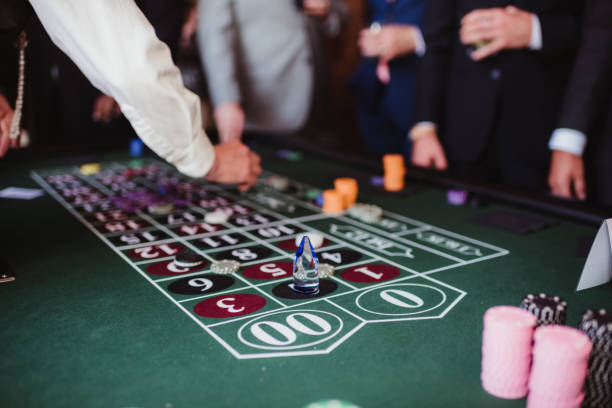
The rise of online casinos has dramatically transformed the gambling landscape, offering new avenues for participation and engagement. With platforms that facilitate fast and secure payments, players can enjoy a seamless gaming experience from anywhere in the world. This accessibility is particularly appealing to high rollers, who often seek out exclusive experiences and bonuses tailored to their preferences.
Moreover, online casinos have sparked a shift in social perceptions of gambling. They allow players to engage in gaming without the traditional casino atmosphere, which can be both a benefit and a drawback. While some may appreciate the convenience and privacy, others may miss the social aspect that brick-and-mortar establishments provide. The interplay between virtual and physical gambling environments raises interesting questions about community, engagement, and the future of gambling.
As online gambling continues to grow, it also invites discussions about regulation and responsible gaming. Ensuring that players are protected from potential harm is crucial, prompting calls for enhanced regulatory measures. Understanding these dynamics is essential for navigating the online gambling landscape, where the intersection of technology, culture, and economics plays a pivotal role in shaping experiences and outcomes for players globally.